5 Powerful Ways GLP-1 Peptides May Improve Your Liver Health: More Than Just Weight Loss!
GLP-1 peptides are becoming increasingly important in medical weight management—not just because they help people lose weight, but because they may also improve several factors associated with liver disease.
Your liver plays a critical role in regulating blood sugar, processing fats, managing cholesterol, and removing waste products. When excess fat accumulates in the liver, it can contribute to metabolic dysfunction-associated steatotic liver disease (MASLD), formerly known as fatty liver disease.
Here are five promising health benefits of GLP-1 medications for liver health.
1. Helps Reduce Fat Accumulation in the Liver
One of the most promising benefits of GLP-1 medications is their ability to support weight loss and reduce excess fat stored in the liver.
When people develop obesity or insulin resistance, excess fatty acids can accumulate in liver cells. Over time, this can lead to fatty liver disease.
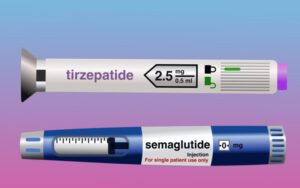
GLP-1 medications such as semaglutide help reduce appetite, improve feelings of fullness, and support sustained weight reduction. These changes can reduce the metabolic stress that contributes to fatty liver.
Why it matters: Reducing liver fat may help improve liver health and lower the risk of progressive metabolic liver disease.
2. May Help Reduce Liver Inflammation
Fatty liver can progress into metabolic dysfunction-associated steatohepatitis (MASH), a more serious condition involving liver inflammation and cellular damage.
Clinical research has demonstrated promising results with semaglutide.
In the 2025 Phase 3 ESSENCE trial, approximately 63% of participants receiving semaglutide experienced MASH resolution without worsening liver fibrosis, compared with approximately 34% receiving placebo.
DOI+1
Why it matters: Addressing liver inflammation early may help reduce the risk of further liver damage.
3. Improves Insulin Resistance and Blood Sugar Control
Insulin resistance is closely connected to fatty liver disease.
When the body becomes resistant to insulin, the liver may produce and store more fat than necessary. This can contribute to elevated blood sugar, metabolic dysfunction, and increased liver fat.
GLP-1 medications help regulate blood sugar by improving glucose-dependent insulin secretion and reducing appetite.
Why it matters: Better blood sugar regulation can improve the metabolic conditions that contribute to fatty liver disease and type 2 diabetes.
4. May Help Slow or Improve Liver Fibrosis
Liver fibrosis occurs when repeated inflammation and injury cause scar tissue to accumulate in the liver.
Advanced fibrosis can eventually progress to cirrhosis, which can seriously compromise liver function.
The ESSENCE clinical trial found that 36.8% of semaglutide-treated participants experienced at least a one-stage improvement in liver fibrosis without worsening MASH, compared with 22.4% receiving placebo.
New England Journal of Medicine+1
Why it matters: These findings suggest that semaglutide may help improve certain stages of liver damage in appropriately selected patients. However, it is not a guaranteed treatment for fibrosis or cirrhosis.
5. Supports Weight Loss and Reduces Metabolic Stress on the Liver
Excess abdominal fat, elevated triglycerides, obesity, and metabolic syndrome can all contribute to fatty liver disease.
GLP-1 medications support weight management by:
-
Reducing appetite and food cravings.
-
Increasing feelings of fullness.
-
Supporting calorie reduction.
-
Improving blood sugar regulation.
-
Helping patients achieve meaningful weight reduction.
By improving these metabolic risk factors, GLP-1 treatment may help create a healthier environment for the liver.
Why it matters: Medical weight loss can be an important part of a comprehensive strategy for improving metabolic and liver health.
Why Liver Testing Matters During Medical Weight Loss
Even if you feel healthy, fatty liver disease can develop without obvious symptoms.
That is why monitoring liver health is important, particularly for people struggling with obesity, diabetes, insulin resistance, or unexplained metabolic problems.
At TLC Medical in Tampa Bay, Florida, our liver testing services can help patients evaluate important aspects of liver health.
Depending on your needs, a physician may recommend:
-
ALT and AST liver enzyme testing.
-
Bilirubin testing.
-
Alkaline phosphatase testing.
-
Additional metabolic blood tests.
-
Further evaluation for suspected fatty liver or liver damage.
Remember, normal liver enzyme levels do not always rule out fatty liver disease or fibrosis. Additional testing may be necessary.
Take Control of Your Weight and Liver Health with TLC Medical
Your weight and liver health are more connected than you might think.
At TLC Medical Tampa Bay, our physician-supervised medical weight loss program and liver testing services help patients take a more comprehensive approach to their health.
If you are struggling with stubborn belly fat, insulin resistance, obesity, or concerns about fatty liver, consider discussing your options with a healthcare professional.
You don’t have to focus on losing weight alone. Start paying attention to the health of the organ that helps regulate your metabolism.
Contact TLC Medical in Tampa Bay to learn more about our medical weight loss programs and liver testing services.
Medical disclaimer: GLP-1 medications are prescription treatments, not general-purpose liver detox products. Benefits vary by patient, and treatment requires medical evaluation and monitoring. Semaglutide received accelerated FDA approval in August 2025 for certain adults with noncirrhotic MASH and moderate-to-advanced fibrosis. Not every GLP-1 medication or peptide has this indication.