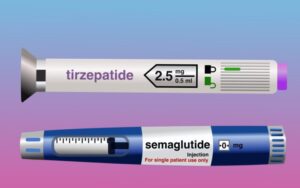
Medical weight loss programs can be a helpful option for individuals working toward their health goals – especially when guided by experienced healthcare professionals. Like any medical treatment, weight loss medications may come with potential side effects, which is why understanding what to expect is an important part of the process.
At TLC Medical, we prioritize patient education, safety, and personalized care when it comes to medically supervised weight management.
Why Side Effects Can Occur
Weight loss medications work in different ways – such as helping regulate appetite, supporting metabolism, or improving how the body processes nutrients.
Because these medications affect natural processes in the body, some individuals may experience mild or temporary side effects, especially during the initial stages of treatment.
Common Side Effects to Be Aware Of
Not everyone will experience side effects, and for many people, they are manageable and improve over time. However, being informed helps you feel more prepared and confident.
-
Digestive Changes
Some individuals may experience:
Nausea
Upset stomach
Changes in bowel habitsThese effects often are often temporary as the body adjusts.
-
Changes in Appetite
Since many weight loss medications are designed to reduce appetite, you may notice:
Feeling full more quickly
Reduced hungerThis is typically part of how the medication supports your weight loss journey.
-
Mild Fatigue
Some patients report feeling slightly more tired, especially early in treatment. This may improve as your body adapts.
-
Dry Mouth
A common and usually manageable side effect that can be improved with hydration.
-
Headaches
Occasional headaches may occur and are often temporary.
The Importance of Medical Supervision
One of the most important factors in managing ide effects is proper medical supervision.
At TLC Medical, patients receive:
- Thorough health evaluations
- Personalized medication plans
- Ongoing monitoring and adjustments
- Guidance to manage any side effects
This ensures that your treatment is both safe and effective.
When to Talk to Your Provider
While most side effects are mild, it’s important to stay in communication with your provider.
You should reach out if:
- Symptoms persist or worsen
- You feel uncomfortable or unsure
- You have questions about your treatment
Open communication helps ensure the best possible experience and outcomes.
Supporting Your Body During Treatment
There are simple ways to support your body while on a weight loss program:
- Stay hydrated
- Eat balanced, nutrient-rich meals
- Follow your provider’s guidance
- Attend regular follow-ups
These habits can help improve your overall experience and support long-term success.
A Personalized Approach to Weight Loss
Every individual responds differently to treatment. That’s why personalized care is essential.
At TLC Medical, we focus on creating weight loss plans that align with your body, your goals, and your lifestyle – while prioritizing safety every step of the way.
Take the Next Step
Understanding your options is the first step toward making informed decisions about your health.
This article is for educational purposes only and does not replace professional medical advice. Always consult a healthcare provider for diagnosis and treatment.