

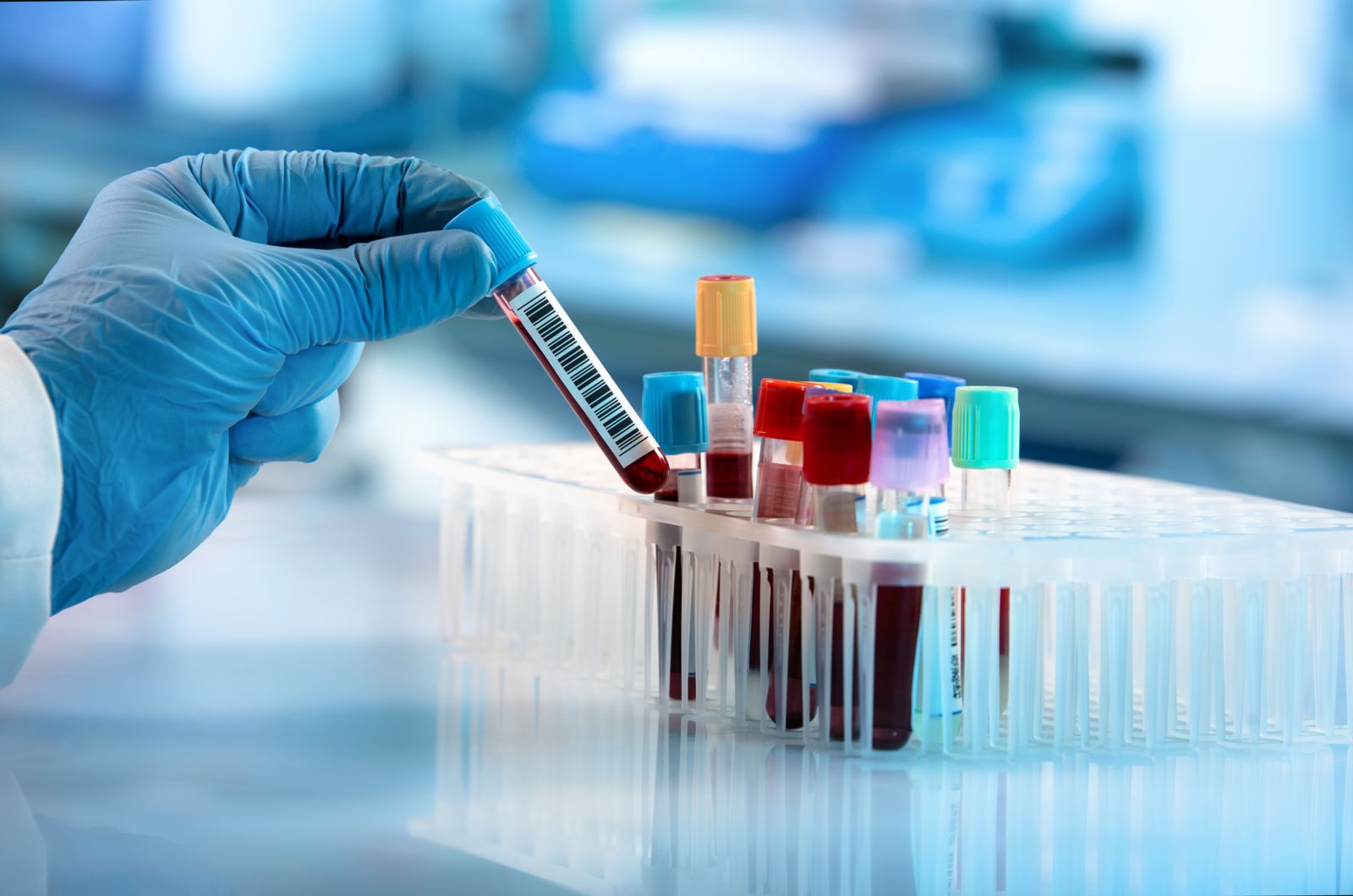
You don’t need to feel sick to learn something about your health.
In fact, some of the most valuable health insights come from routine lab work done during an annual checkup. These tests can help identify changes early, monitor important health markers, and provide a clearer picture of your overall wellness.
At TLC Medical, we use annual labs as part of a proactive approach to preventive care and long-term health.
Why Yearly Lab Work Matters
Many common health concerns develop gradually and may not cause noticeable symptoms at first.
Routine blood tests can help monitor:
- Blood sugar levels
- Cholesterol
- Kidney and liver function
- Thyroid health
- Hormone levels
- Vitamin deficiencies
These results can help guide personalized recommendations and identify concerns before they become more serious.
Common Labs Adults May Get Each Year
The right tests depend on your age, health history, and individual needs, but several lab tests are commonly recommended during annual wellness visits.
Complete Blood Count (CBC)
A CBC evaluates different components of your blood and can help identify:
- Anemia
- Infection
- Other blood-related abnormalities
Comprehensive Metabolic Panel (CMP)
This panel provides information about:
- Kidney function
- Liver function
- Electrolytes
- Blood glucose
Lipid Panel
A lipid panel measures:
- Total cholesterol
- LDL (“bad”) cholesterol
- HDL (“good”) cholesterol
- Triglycerides
This test helps assess cardiovascular risk.
Hemoglobin A1C
A1C reflects average blood sugar over the past two to three months and helps screen for prediabetes and diabetes.
Thyroid-Stimulating Hormone (TSH)
TSH helps evaluate thyroid function, which can affect:
- Energy levels
- Weight
- Mood
- Temperature sensitivity
Vitamin D
Vitamin D testing may be recommended for individuals at risk of deficiency or experiencing symptoms such as fatigue.
Vitamin B12
B12 levels may be checked if there are concerns about low energy, numbness, or dietary deficiencies.
Additional Labs Based on Individual Needs
Depending on your symptoms, age, and medical history, your provider may recommend other tests such as:
- Testosterone levels
- Hormone panels
- Iron studies
- PSA (prostate-specific antigen)
- Urinalysis
Lab recommendations should always be personalized.
How Often Should You Get Labs?
For many adults, yearly lab work is a helpful part of preventive care.
More frequent testing may be recommended if you:
- Have chronic health conditions
- Take certain medications
- Have abnormal prior results
- Are monitoring hormone therapy or weight management
Preparing for Annual Labs
Some blood tests may require fasting, while others do not.
Your provider will let you know:
- Which tests are recommended
- Whether fasting is needed
- How to prepare
Understanding Your Results
Lab work is most valuable when reviewed in the context of your symptoms, history, and health goals.
At TLC Medical, we take time to explain your results and discuss practical next steps.
Preventive Care Starts With Information
Routine labs provide a snapshot of your health and help you make informed decisions.
Even if you feel well, annual testing can offer reassurance and reveal opportunities to improve your overall wellness.
Take the Next Step
If it has been a while since your last physical or routine blood work, now is a great time to check in with your health.
📲 Schedule your annual wellness visit with TLC Medical today.

